
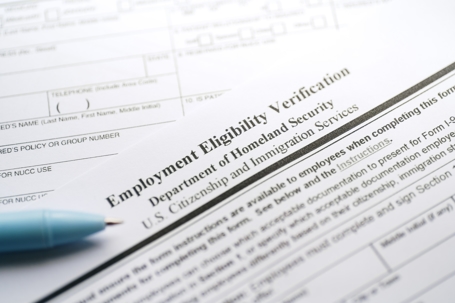
On September 11, 2026 the Department of Homeland Security (“DHS”) issued a proposed rule to remove the 60 day grace period that many employment-based visas depend on. When the rule is finalized, this will apply to E-1, E-2, E-3, H-1B, H-1B1, L-1, O-1, and TN classifications as well as their dependents.
Background
Since 2016, workers in the above-mentioned categories (and their dependents) have been allowed to stay in the U.S. up to 60 days after their job ends or is terminated without falling out of status. This would give individuals in these statuses time to find a new employer, change status, or wind down affairs. Majority of individuals in these visa categories depend on the 60-day grace period to avoid accruing unlawful status or violating the terms of their status.
DHS now wants to scrap the grace period entirely, arguing that it isn't required by statute and that verifying termination dates and making discretionary calls has proven administratively burdensome.
Who is affected and when?
Employers, individuals who currently or will possess E-1, E-2, E-3, H-1B, H-1B1, L-1, O-1, or TN status, and their dependents are all affected by this proposed rule. However, the rule is not immediate as the government still requires a notice and comment period of 60 days. After the 60-day notice and comment period, it may take additional time for DHS to publish a final rule.
If the rule goes into effect, some individuals who fail to maintain their nonimmigrant status, such as an H-1B worker who is laid off, may receive a Notice to Appear (“NTA”). NTAs are the government’s first step to removal and deportation proceedings.
If you are concerned about maintaining your nonimmigrant status or are an employer and would like to know more about how this proposed rule affects you, our team at Murray Osorio PLLC is available to walk through the specifics. Reach us at (800) 929-7142 to schedule a consultation with our Business Immigration attorneys.