
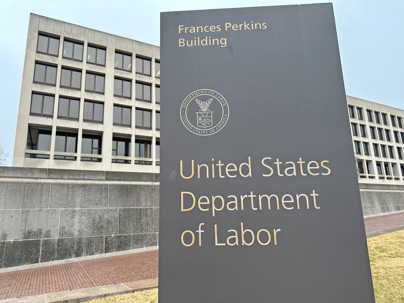
The U.S. Department of Labor (DOL) published a proposed rule on March 27, 2026, that would significantly raise the minimum wages employers must pay workers sponsored under the H-1B (and H1B1 and E-3) and PERM programs. If finalized, the rule would increase entry-level wage minimums by more than 30%.
This proposed rule is not yet in effect. However, employers and foreign national workers should understand what is being proposed and begin preparing now.
What Is a Prevailing Wage, and Why Does It Matter?
A prevailing wage is the minimum salary an employer must offer and pay to a foreign worker before the government will certify a labor application. Prevailing wage requirements apply to employers sponsoring workers under the H-1B, H-1B1, E-3, and PERM/labor certification programs.
The requirement exists to protect both U.S. workers and foreign nationals. By ensuring that foreign workers are paid at least the going rate for a given job in a given location, the government aims to prevent employers from using immigration programs to undercut wages for American workers.
The DOL currently uses a four-tier wage system based on data from the Occupational Employment and Wage Statistics (OEWS) survey. The four levels range from entry-level (Level I) to fully competent (Level IV), and the appropriate level for a position depends on the employer's degree, experience, and skills requirements for the position.
What Would the Proposed Rule Change?
The DOL argues that the current prevailing wage figures were set too low and have created a significant gap between what foreign workers are paid under these programs and what U.S. workers in the same roles earn. Under the proposed rule, the wage tiers would shift substantially upward. The Level I wage is expected to increase about 33%, the Level II wage is expected to increase 24%, the Level III wage, 21% and the Level IV wage, 22%.
The immediate impact would be to shift those immigration programs toward higher-wage roles, making it more costly to sponsor entry-level or early career workers. The entry-level (Level I) wage floor would effectively jump to what is currently considered the Level II minimum, making it significantly more expensive to sponsor early-career or entry-level workers.
Who Is Affected?
The proposed rule would affect employers sponsoring workers under the following programs:
- H-1B (specialty occupation professionals)
- H-1B1 (treaty workers from Chile and Singapore)
- E-3 (treaty workers from Australia)
- EB-2 and EB-3 PERM (employment-based green card sponsorship)
The rule would have its greatest impact on employers who currently sponsor workers at Level I or Level II wages — including many small businesses, startups, and employers in technology and engineering fields that rely heavily on foreign national talent.
It is worth noting that the proposed rule does not prohibit employers from using alternative wage sources, such as private wage surveys or collective bargaining agreements. However, the DOL has indicated it will closely monitor such use for compliance.
What Is the Timeline?
The proposed rule is not yet final. Public comments may be submitted to the DOL until May 26, 2026. The DOL must complete the required notice-and-comment rulemaking process before the rule can take effect, which could take several more months.
Importantly, existing approved PERM labor certifications and previously approved LCAs would not be affected by the proposed rule.
For employers whose FY2027 H-1B cap candidates have been selected in this year's weighted-wage lottery: It will be especially important to file H-1B Labor Condition Applications promptly and carefully, as the new wage levels — if finalized — may affect the LCA applications for pending cap petitions.
What Should Employers Do Now?
While there is time before this rule takes effect, there are steps employers can take today to prepare:
- Review pending and upcoming PERM filings. Understand which PERM positions are at Levels I or II and by how much your offered wages currently exceed the proposed new floors.
- Act proactively on H-1B extensions. Timely filing for extensions under current wage levels, before the rule takes effect, may be an option worth exploring with counsel.
- Assess your access to alternative wage survey data. In some specialized labor markets, private wage surveys may provide an alternative to OEWS prevailing wages. Your immigration attorney can help you evaluate whether this option is available and appropriate for your workforce.
If you have questions about how this proposed rule may affect your company’s immigration sponsorship, the experienced business immigration attorneys at Murray Osorio PLLC are here to help. Call (800) 929-7142 or contact us online to schedule a consultation.