
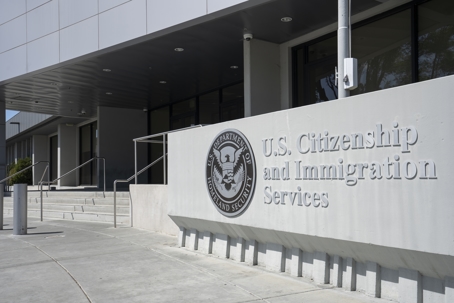
United States Citizenship & Immigration Services (USCIS) recently issued a new memorandum expanding its adjudication hold and re-review policies to foreign nationals from countries added to the expanded travel ban that took effect on January 1, 2026. The guidance affects future, pending, and certain previously approved immigration benefit requests, including employment-based filings.
Key Takeaways
- All pending immigration benefit requests filed by or for foreign nationals from newly designated travel ban countries are now subject to an adjudicative hold.
- Approved immigration benefits granted on or after January 20, 2021, may be re-reviewed if the foreign national is from a travel ban country.
- The policy explicitly applies to employment-based petitions, including Forms I-129 and I-140.
- USCIS may continue processing cases during the hold and may issue Request for Evidence (RFEs) or Notice of Intent to Deny (NOIDs), but will not issue final decisions while the hold remains in place.
Who Is Affected
The policy applies to foreign nationals who list a travel ban country as their country of birth or citizenship, as well as individuals using Palestinian Authority–issued or –endorsed travel documents. See the list of travel ban countries below.
Re-Review and Vetting
USCIS will conduct enhanced vetting focused on security and public safety concerns. Re-reviews may include interviews or re-interviews and reassessment of eligibility and admissibility.
Limited Exceptions
Exemptions are limited and include:
- Form I-90 applications;
- Certain athletes and related personnel participating in major international sporting events; and
- Cases where entry serves a U.S. national interest.
Requests to lift an adjudicative hold due to litigation or extraordinary circumstances require approval from USCIS leadership.
Practical Impact
Affected foreign nationals should anticipate significant delays, increased scrutiny, and additional evidence requests. Employers should also note recent USCIS guidance treating origin from a travel ban country as a negative discretionary factor, which may continue to impact adjudications even after holds are lifted.
Litigation Update
A federal lawsuit challenging the USCIS hold policy and related discretionary adjudication changes is pending in Massachusetts federal court (Doe v. Trump, 25-cv-13946 (D. Mass.)). The outcome may affect future implementation of these policies.
Contact Murray Osorio if you, one of your employees, or a family member are impacted by the travel ban and want to seek a national interest exception.
Travel ban countries: Afghanistan, Angola, Antigua and Barbuda, Benin, Burkina Faso, Burma, Burundi, Chad, Republic of Congo, Cote d’Ivoire, Cuba, Dominica, Equatorial Guinea, Eritrea, Gabon, The Gambia, Haiti, Iran, Laos, Libya, Malawi, Mali, Mauritania, Niger, Nigeria, Senegal, Sierra Leone, Somalia, South Sudan, Sudan, Syria, Tanzania, Togo, Tonga, Turkmenistan, Venezuela, Yemen, Zambia, Zimbabwe and individuals traveling on Palestinian Authority–issued or –endorsed travel documents.